In societies where diversity enriches every corner of our workplaces, schools, and communities, anchoring Equality into our everyday practices is crucial to ensure that everyone, no matter their background or identity, can thrive. Think of Equality as a ship we’re all sailing on, a ship that sometimes faces rough seas, strong winds, and the threat of drifting off course. To keep this ship steady, safe, and moving in the right direction, we need anchors. These anchors ensure that no one is left behind and that our journey remains inclusive, fair, and supportive for everyone on board.
What is an Anchor?
In the literal sense, an anchor keeps a ship from drifting, ensuring that it remains steady in place, no matter how strong the waves or wind. Metaphorically, an ANCHOR can also represent the actions we take to embed Equality into our daily lives, at work, in learning environments, or in social spaces. It’s a reminder that without deliberate actions, our ship can drift into dangerous territory, putting the passengers, us, at risk.
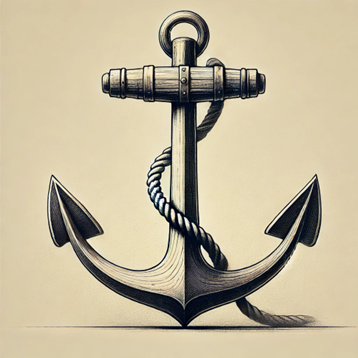
Defining ANCHOR as an Acronym for Equality
Let’s break down A.N.C.H.O.R. as a guiding acronym for fostering Equality in our everyday practices:
- A – Accountability: Everyone on the ship has a role to play. Employers, managers, employees, students, and teachers all need to be accountable for their actions and decisions. Being accountable means recognising how our behaviours affect others and taking responsibility for ensuring Equality is actively upheld.
- N – Nurturing: To keep our organisational ship inclusive, we must nurture an environment/culture where all feel valued. This means creating spaces where people feel safe to express their identities, ask questions, and be themselves without fear of discrimination or exclusion.
- C – Courage: Standing up for Equality requires courage. It’s not always easy to speak out against injustice, but just as anchors face the harsh ocean floor to steady the ship, we must face challenges with courage to ensure everyone remains safe and supported.
- H – Humanity: At the heart of Equality is the recognition of our shared humanity. Whether we are talking about race, disability, gender, sexuality, or any other protected characteristic, it’s crucial to remember that we are all human, and our differences enrich our shared experience.
- O – Opportunity: We must create opportunities for everyone to succeed. This means ensuring that policies, practices, and systems do not unintentionally exclude certain groups but rather promote fairness, inclusion, and equal opportunities for all.
- R – Respect: Respect is the foundation of an inclusive environment. By respecting each other’s differences and recognising the unique contributions of every individual, we foster positive relationships that help everyone feel they belong on this journey.
Anchoring a Ship from Drifting: A Powerful Analogy
Imagine our organisational ship, filled with passengers representing all the protected characteristics, race, disability, sex, age, sexual orientation, religion or belief, pregnancy/maternity, gender recognition, civil partnerships/marriage and more. Without strong anchors, this ship could easily drift into dangerous waters where discrimination, harassment, victimisation, bullying, exclusion, and inequality thrive. When the ship drifts, some passengers are thrown off course, unable to participate fully in the journey or even left behind. The waves of bias, microaggressions, and inequality threaten to overwhelm them.
But with strong anchors, we ensure the ship stays on course. These anchors hold the ship steady, creating a space where all passengers are safe, valued, and respected. They enable us to sail smoothly, ensuring that everyone reaches their destination, whether that’s a fulfilling career, an inclusive educational environment, or a community that embraces diversity.
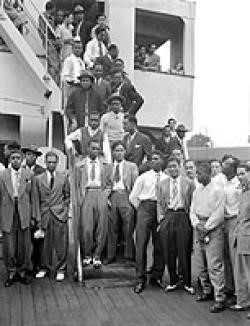
The Anchors of Equality: Promoting Safety and Inclusion
These anchors work together to promote Equality, tackle discrimination, and foster positive relationships between diverse groups. Let’s take a closer look at how each anchor keeps the ship steady and what it means for employers, employees, and everyone else onboard.
- Accountability: Employers can set the tone by holding themselves and others accountable for promoting Equality. This might mean reviewing policies to ensure they are inclusive, collecting data on diversity, or taking swift action when issues arise. For employees, it means being aware of their biases and how they treat colleagues from different backgrounds.
- Nurturing: Inclusive policies and practices that nurture talent from diverse backgrounds ensure that everyone feels safe and valued. This includes making reasonable adjustments for people with disabilities, supporting flexible working for parents and carers, and fostering a culture where diverse voices are not just heard but actively sought out.
- Courage: It takes courage to challenge the status quo, especially when faced with unconscious biases or ingrained prejudices. Employers need to encourage courageous conversations about race, disability, and other Equality issues. Employees, too, must feel empowered to call out discriminatory practices, knowing they will be supported.
- Humanity: By treating people with dignity and respect, we recognise their full humanity. For example, a Black colleague or a disabled student should not just be seen through the lens of their race or disability but appreciated for the unique perspectives and strengths they bring to the table.
- Opportunity: Employers must create equal opportunities for all employees, ensuring fair recruitment, progression, and recognition. For employees, this means advocating for themselves and others, ensuring that opportunities for growth and development are available to everyone.
- Respect: Fostering respect in the workplace means understanding that everyone’s experience is valid. Employees should feel comfortable sharing their lived experiences, and employers should respect and act on the feedback they receive from diverse groups.
Voices from the Deck: What Diverse Groups Say About Their Anchors
Diverse and intersectional groups, ethnically diverse individuals, disabled employees, women, LGBTQ+ people, and others, rely on these anchors to keep their workplaces and learning environments safe and inclusive.
- A disabled employee shares how Nurturing practices, like workplace adjustments, allow them to contribute fully without feeling marginalised.
- A Black student describes how Courageous conversations about race have helped address unconscious bias in the classroom, making them feel more included.
- An LGBTQ+ staff member talks about the power of Respect, where their identity is not just tolerated but embraced, leading to deeper workplace relationships.
- A female manager explains how Accountability has led to greater gender parity in leadership, empowering them to mentor the next generation of women leaders.
Keeping the Ship Safe: What We Can All Do
As passengers on this shared journey, we all have a role to play in keeping the ship safe and anchored in Equality. Whether you’re part of a charity, voluntary sector, public body, business, or an individual, here’s what we can all do:
- Employers: Regularly review your policies and practices to ensure they reflect a genuine commitment to Equality. Hold everyone accountable, provide ongoing training on unconscious bias, and actively promote a culture that is inclusive and celebrates diversity.
- Charities/Voluntary Sector: As key players in community support, evaluate your services, volunteer management, and outreach to ensure accessibility and fairness for all. Advocate for inclusivity and support training to address unconscious bias and discrimination in your sector.
- Public Bodies: Review your policies, public service provision, and community engagement strategies to promote equality. Ensure that the services you provide meet the diverse needs of the communities you serve, and act decisively when inequalities are identified.
- Managers and Leaders: Lead by example. Clearly communicate that discrimination will not be tolerated, provide equal opportunities for all, and ensure a supportive environment where diverse talent can thrive.
- Employees and Volunteers: Be mindful of how your actions and words affect others. Speak up if you witness discrimination, and encourage open, respectful conversations about diversity and inclusion in your workplace or volunteer setting.
- Educators and Students: Foster learning environments that reflect the diversity of your community. Ensure curricula are inclusive and represent diverse voices, and challenge biases when they arise in classrooms, schools, and educational activities.
- Individuals: Every individual has the power to make a difference. Embrace the richness that diversity brings, challenge inequality wherever you see it, and use your unique perspective and experiences to make the ship stronger, safer, and more resilient.
By working together, we can ensure the ship stays anchored in Equality, offering a safe and fair passage for everyone aboard.
Conclusion: Anchors Keep Us Safe and Steady
Anchoring Equality into everyday practices is not just an organisational responsibility, it’s a shared duty that requires all of us to act with accountability, courage, and respect. By ensuring that our ship stays steady, we create workplaces, learning spaces, and social environments where everyone feels safe, valued, and respected.